Apply yourself
More control, lower cost, more work
Use a consultancy
More support, a fee, check the advisor
Visa rules
The same for both routes
Biggest risk
Missing a rule or a deadline
Quick Answer
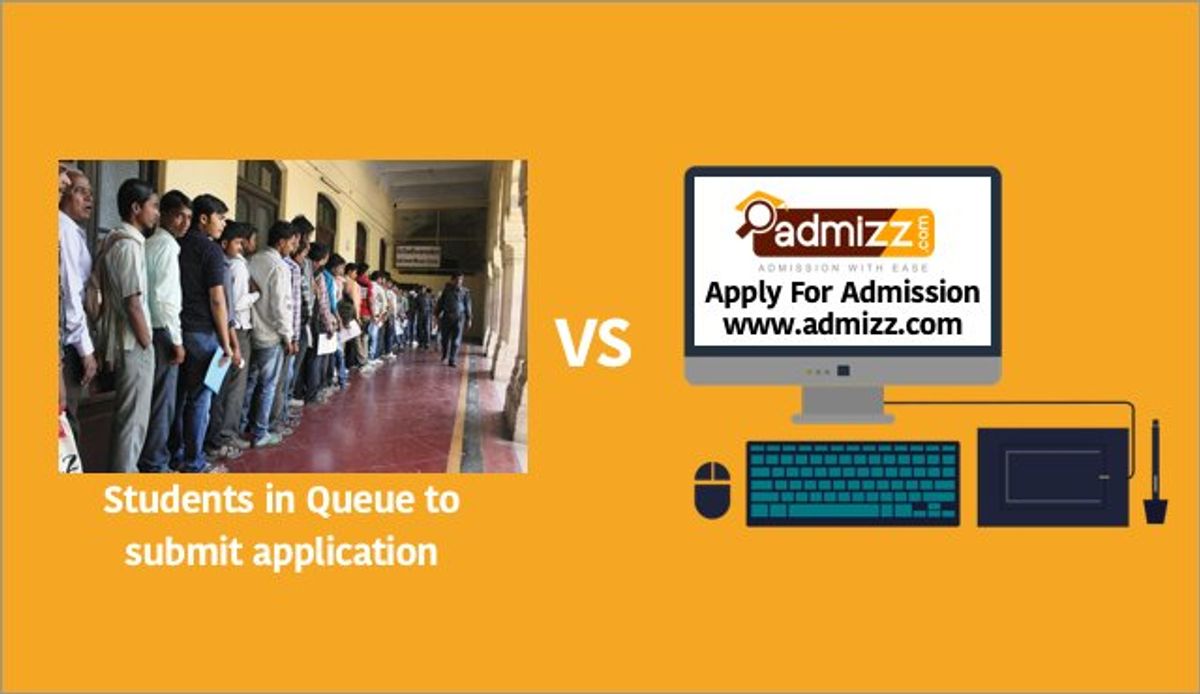
You can apply to a university yourself online, or use an education consultancy to help. Applying yourself gives you full control and costs less, but you must read and follow every rule. A consultancy can save time and catch mistakes, but you pay for it and must still check what it does. The visa rules are the same either way, so choose the route that matches how much help you need.
The two routes
Applying yourself: you choose the course, apply through the university or a national system, collect your documents and submit the visa application. For UK undergraduate courses you usually apply through UCAS, and for most postgraduate courses you usually apply to the university directly.
Using a consultancy: an advisor helps you shortlist courses, prepare your applications and documents, and get ready for the visa. You remain the applicant, and you should still see and approve everything that is submitted.
Side-by-side comparison
- Cost: applying yourself costs only the application and visa fees. A consultancy may charge a service fee, so ask for it in writing.
- Control: applying yourself gives you full control. With a consultancy, keep your own login and read every form.
- Time and effort: applying yourself takes more reading and checking. A consultancy can organize the process for you.
- Accuracy: official rules are public either way. For example, GOV.UK sets the UK living-cost funds at £1,171 a month outside London and £1,529 in London (rising to £1,203 and £1,570 for applications from November 30, 2026), held for 28 days in a row. A consultancy can check you have met rules like this before you apply.
- Advice: a consultancy can compare countries and courses. Check whether it represents only some universities.
What you need to get right either way
Whichever route you choose, a UK Student visa needs the same core items. GOV.UK says you must always provide a valid passport and a Confirmation of Acceptance for Studies (CAS), and you may also need financial evidence, a TB test certificate and an ATAS certificate. You can apply up to 6 months before your course starts, and the decision usually takes up to 3 weeks if you are outside the UK.
Our step-by-step UK student visa guide shows each requirement with its official source.
A simple checklist to decide
Applying yourself may suit you if:
- you have a clear course and country in mind
- your documents are complete and consistent
- you have time to read the official guidance
- you are comfortable managing deadlines
A consultancy may help if:
- you are comparing several countries or courses
- your profile has gaps, such as a study gap or low marks
- you want your funds and documents checked before you apply
- you want interview practice
If you use a consultancy
Check the advisor before you pay. Ask for fees in writing, which universities they represent, and how they handle refusals. For UK study, ask about training: UK-knowledge-trained counselors receive a certificate and digital badge under the British Council's Agent Quality Framework, according to UCAS. Our checklist for choosing a genuine consultancy has ten questions to ask, and our guide to what visa consultants can and cannot do explains what to expect.
Our advice
Neither route is right for everyone. Read the official guidance first, so you know what a good application needs. Then decide how much support you want. Whatever you choose, keep control of your documents, check every claim against an official source, and never accept a guaranteed visa.
Admizz Education offers visa assistance for students who want support.
Sources
- GOV.UK: Student visa, documents you must provide
- GOV.UK: Student visa, money you need
- GOV.UK: Student visa, apply
- UCAS: the UK Agent Quality Framework
Checked in October 2026.
Frequently Asked Questions
Can I apply to a UK university without a consultancy?
Yes. You can apply yourself, usually through UCAS for undergraduate courses and directly to the university for most postgraduate courses.
Is the visa process different if I use a consultancy?
No. The visa rules and requirements are the same whether you apply yourself or use a consultancy.
What should I check before paying a consultancy?
Ask for fees in writing, which universities they represent, how they handle refusals and what training their counselors have. Never accept a guaranteed visa.
What documents do I always need for a UK student visa?
A valid passport and a Confirmation of Acceptance for Studies (CAS). You may also need financial evidence, a TB test certificate and an ATAS certificate.
Book a Free Counseling Session